Skip to content


Zoning Systems in North Carolina. Control the Temperature Room by Room

Stop fighting with the thermostat. A zoning system lets you set different temperatures in different areas of your home.
Get Fast, Reliable HVAC Help Today
Services Across Western NC & Northern SC
Gerald Griffin Heating & Cooling provides comprehensive residential HVAC services across Belmont and the greater Gaston County area. From emergency AC repair to full system replacements, our experienced technicians handle every job with the precision and care your home deserves.

24/7 Emergency HVAC
Round-the-clock emergency heating and cooling repair — we answer when you need us most, day or night.
Cooling
Keep your home comfortable all summer long with expert AC installation, repair, and maintenance from our certified technicians.

Heating
From furnace tune-ups to full system replacements, we keep your family warm when temperatures drop.

Ductwork
Leaky or damaged ducts waste energy and hurt air quality — our duct sealing, repair, and installation services fix that fast.

Air Quality
Breathe cleaner, healthier air at home with whole-house filtration, humidifiers, UV purifiers, and ventilation solutions.

Thermostats
Smart thermostat installation and upgrades that give you full control of your comfort — and cut your energy bills.
HVAC Zoning Services for Belmont, Mt. Holly & Gaston County
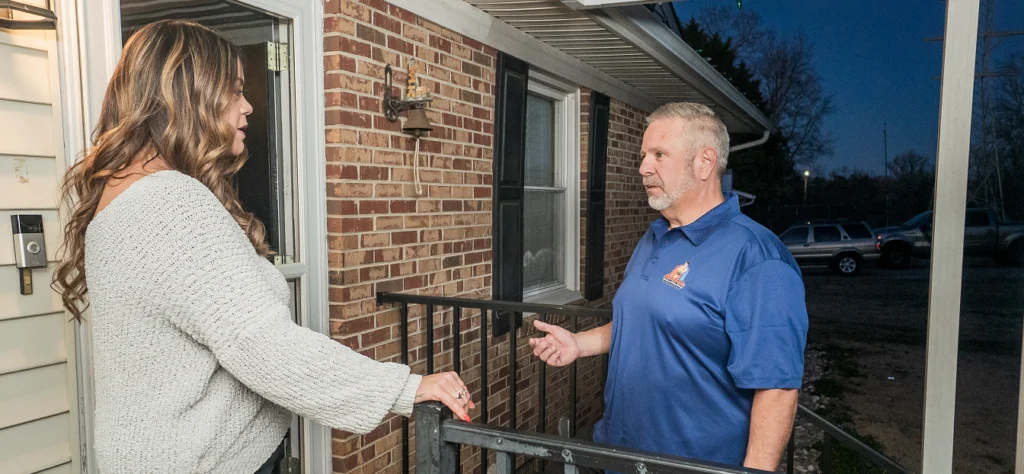
If your upstairs is sweltering while your downstairs feels fine, or certain rooms never seem to reach the right temperature, you’re dealing with a common problem in North Carolina homes. Heat rises. Large windows let in sun. Rooms on different sides of the house face different conditions. A single thermostat can’t account for all of that.
According to the U.S. Department of Energy, HVAC zoning can reduce energy costs by up to 30 percent. Instead of heating or cooling your entire home to one temperature, a zoning system divides your home into separate areas, each with its own thermostat. You heat the bedrooms at night without wasting energy on empty living spaces. You cool the kitchen during dinner prep without overcooling the rest of the house.
We install and service zoning systems for homeowners throughout Gaston County, Lincoln County, and the Charlotte area. Whether you’re adding zoning to your existing HVAC system or installing it as part of new construction, we can design a system that fits your home and your family’s needs.
Signs Your Home Could Benefit from Zoning
Not every home needs zoning, but many do. Here’s how to tell if your home is a good candidate:
Hot Upstairs, Cold Downstairs
Hot Upstairs, Cold Downstairs
Heat rises, that’s basic physics. In a two-story home, the upstairs can be 5-10 degrees warmer than the main floor. A zoning system lets you set different temperatures for each level so both floors stay comfortable.
Ideal for: Multi-level homes, homes with finished attics or basements.
Rooms That Never Feel Right
Certain Rooms Are Always Too Hot or Cold
Rooms with large windows, rooms over garages, sunrooms, and rooms at the end of long duct runs often struggle to maintain comfortable temperatures. Zoning can direct more conditioned air to these problem areas.
Ideal for: Homes with additions, bonus rooms, or rooms with lots of glass.
Family Members With Different Preferences
Everyone Wants a Different Temperature
Some people run hot, others run cold. Instead of constant thermostat battles, zoning lets each family member control their own space. The bedrooms can be cooler at night while the living room stays warmer.
Ideal for: Households with different comfort preferences.
Unused Rooms
You Have Rooms You Rarely Use
Guest bedrooms, formal dining rooms, home offices used only part-time, why heat and cool them when no one’s there? Zoning lets you reduce or eliminate conditioning to unused spaces.
Ideal for: Larger homes with rooms that sit empty most of the time.
High Energy Bills
Your Energy Bills Keep Climbing
If you’re overcooling some rooms just to get others comfortable, you’re wasting energy. Zoning targets conditioned air where it’s needed, reducing the workload on your system and lowering your bills.
Ideal for: Anyone looking to reduce heating and cooling costs.
New Construction or Major Renovation
You're Building or Renovating
Installing zoning during new construction or a major renovation is easier and more cost-effective than retrofitting later. If you’re already opening walls and installing ductwork, consider adding zoning from the start.
Ideal for: New homes, additions, major remodels.
How HVAC Zoning Works
A zoning system divides your home into separate areas, each controlled independently:
Zone Dampers
Zone Dampers
Motorized dampers are installed inside your ductwork. These dampers open and close to direct airflow to specific areas based on what each zone’s thermostat is calling for. When a zone reaches temperature, its damper closes.
Function: Control where conditioned air goes
Zone Thermostats
Multiple Thermostats
Each zone gets its own thermostat. You can set different temperatures for different areas, cooler bedrooms for sleeping, warmer living areas during the day, reduced conditioning in unused spaces.
Function: Independent temperature control per zone
Zone Control Panel
Zone Control Panel
A central control panel coordinates communication between the thermostats, dampers, and your HVAC equipment. When a zone calls for heating or cooling, the panel opens the appropriate dampers and signals the system to run.
Function: Coordinate the entire system
Bypass Damper
Bypass Damper (When Needed)
When only one or two zones call for conditioning, excess air pressure can build up. A bypass damper relieves this pressure by redirecting unused air back to the return side, protecting your equipment and maintaining efficiency.
Function: Prevent air pressure issues
Smart Thermostat Integration
Smart Thermostat Compatibility
Modern zoning systems can integrate with smart thermostats for remote control, scheduling, and energy monitoring. According to American Standard, a zoned system with programmable thermostats can save up to 35 percent on energy bills.
Function: Enhanced control and automation
Benefits of Zoning Systems
HVAC zoning delivers real, measurable improvements to comfort and efficiency:

- Comfort Where You Want It
No more compromising on temperature. Each zone can be set to the preferences of whoever uses that space. Bedrooms can stay cool for sleeping while living areas stay warmer, or vice versa.
- Reduced Energy Costs
By conditioning only the areas that need it, you use less energy. The DOE estimates zoning can cut heating and cooling costs by 20-30 percent, savings that add up year after year.
- Extended Equipment Life
When your system doesn’t have to work as hard to maintain comfort, it experiences less wear and tear. This can extend the life of your heating and cooling equipment and reduce repair frequency.
- Even Temperatures Throughout
Zoning addresses the root cause of uneven temperatures. Instead of one thermostat trying to manage your entire home, each area gets the attention it needs to stay comfortable.
- Adapt to How You Live
Your heating and cooling needs change throughout the day. Zoning lets you adjust, focus on bedrooms at night, living areas during the day, and reduce conditioning to spaces you’re not using.
What Zoning Installation Includes
Here’s what to expect when we install a zoning system in your home:
- Assessment:
- Evaluation of your home’s layout and existing ductwork
- Discussion of comfort issues and temperature preferences
- Identification of logical zones based on use patterns and problem areas
- Review of your existing HVAC equipment
- Design:
- Zone layout customized to your home
- Damper placement planning
- Thermostat location selection
- Equipment compatibility verification
- Installation:
- Motorized damper installation in ductwork
- Thermostat installation in each zone
- Zone control panel installation and wiring
- Bypass damper installation (if needed)
- System programming and testing
- Training:
- Walk-through of how to operate your new system
- Programming guidance for thermostats
- Tips for maximizing energy savings
Book in seconds, we will reach out asap
Our Simple 5-Step Process
We’ve made working with us as straightforward as possible. Here’s what to expect from your first call to your last handshake.
1
Call or Book Online
Reach us 24/7 at (980) 277-5122 or schedule through our online form. We’ll ask a few quick questions about your HVAC issue so we can send the right technician.

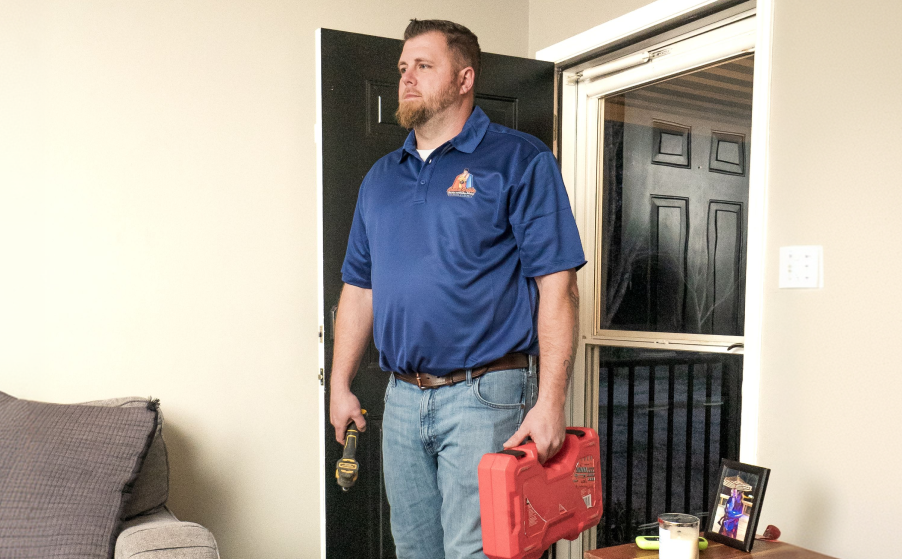
In-Home Assessment
A licensed technician arrives at your home, inspects your system, and diagnoses the problem. No guesswork, no pressure.
Upfront Proposal
You’ll receive a clear, written estimate before any work begins. No surprises, no hidden fees. We’ll walk you through your options.

Expert Repair or Installation
Our team gets to work — completing most repairs the same day. Installations are scheduled at your convenience with full cleanup included.
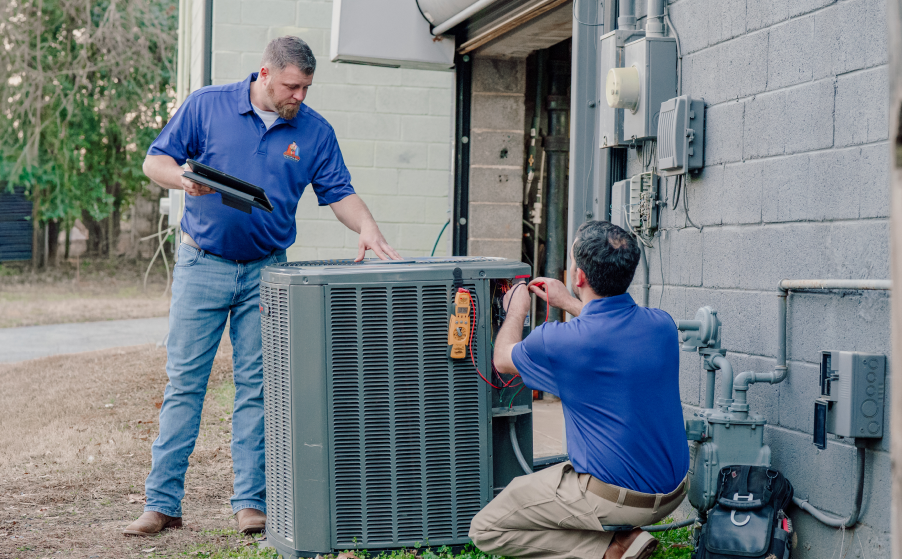
Final Walkthrough & Warranty
We walk you through everything we did, answer your questions, and hand over your warranty documentation. Your comfort is guaranteed.
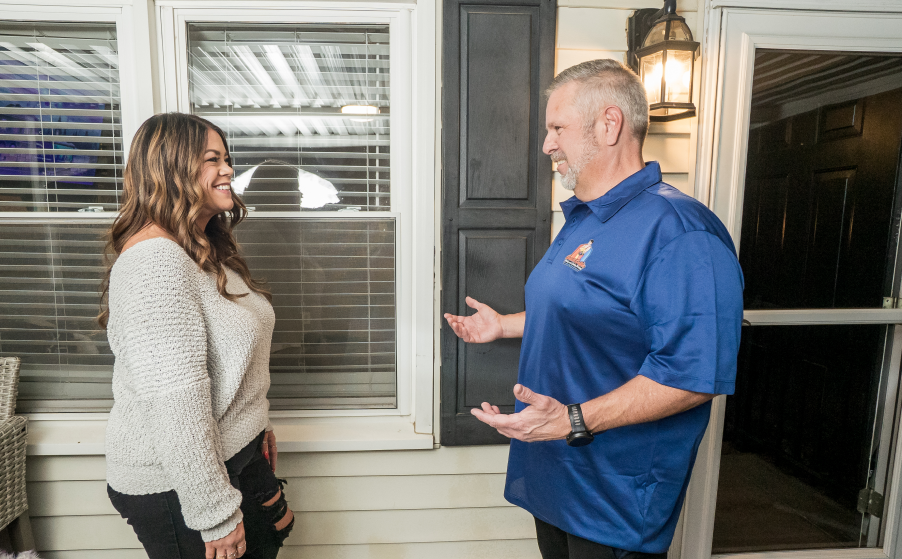
 Call or Book Online
Call or Book Online  In-Home Assessment
In-Home Assessment  Upfront Proposal
Upfront Proposal  Expert Repair or Installation
Expert Repair or Installation  Final Walkthrough & Warranty
Final Walkthrough & Warranty Zoning Questions
Here are questions we hear often from homeowners considering zoning:
How much does a zoning system cost?
Costs depend on your home’s size, the number of zones, and the complexity of your ductwork. Most residential zoning installations range from $2,000 to $5,000 for a two-to-four zone system. We provide detailed estimates after evaluating your home.
Can zoning be added to my existing HVAC system?
In most cases, yes. Zoning can be retrofitted to existing ducted systems by adding dampers, thermostats, and a control panel. We’ll evaluate your system to confirm compatibility and identify any modifications needed.
How many zones do I need?
Most homes work well with two to four zones. Common setups include upstairs/downstairs, or dividing by wing or use pattern (sleeping areas vs. living areas). We’ll help you determine the right number based on your home and comfort goals.
Will zoning really save me money?
For most homeowners, yes. The Department of Energy estimates zoning can reduce heating and cooling costs by 20-30 percent. Savings vary based on your home, usage patterns, and how aggressively you adjust temperatures in unused zones.
Does zoning require extra maintenance?
Zoning systems require minimal additional maintenance. Dampers are mechanical and rarely need attention. Thermostats may need battery replacement. We recommend including a system check as part of your regular HVAC maintenance.
Can I control zones with my phone?
Yes, if you choose smart thermostats for your zones. Many modern zoning systems integrate with Wi-Fi thermostats that let you adjust temperatures, set schedules, and monitor energy use from your smartphone.
What areas do you serve for zoning installation?
We serve Belmont, Mt. Holly, Gastonia, Cramerton, Stanley, Dallas, Ranlo, Lowell, Kings Mountain, Bessemer City, Cherryville, Lincolnton, and surrounding communities in Gaston County, Lincoln County, and the Charlotte area. We also serve Lake Wylie, Clover, and Tega Cay in South Carolina.
Our Service Area
We’re based in Belmont, NC, and serve homeowners throughout:

HVAC Tips for Belmont & Gaston County Homeowners