Skip to content


Humidifiers & Dehumidifiers in North Carolina. Balance Your Home's Humidity

Too dry in winter, too humid in summer. Whole house humidity control keeps your home comfortable year-round.
Get Fast, Reliable HVAC Help Today
Services Across Western NC & Northern SC
Gerald Griffin Heating & Cooling provides comprehensive residential HVAC services across Belmont and the greater Gaston County area. From emergency AC repair to full system replacements, our experienced technicians handle every job with the precision and care your home deserves.

24/7 Emergency HVAC
Round-the-clock emergency heating and cooling repair — we answer when you need us most, day or night.

Cooling
Keep your home comfortable all summer long with expert AC installation, repair, and maintenance from our certified technicians.

Heating
From furnace tune-ups to full system replacements, we keep your family warm when temperatures drop.

Ductwork
Leaky or damaged ducts waste energy and hurt air quality — our duct sealing, repair, and installation services fix that fast.

Air Quality
Breathe cleaner, healthier air at home with whole-house filtration, humidifiers, UV purifiers, and ventilation solutions.

Thermostats
Smart thermostat installation and upgrades that give you full control of your comfort — and cut your energy bills.
Humidity Control Services for Belmont, Mt. Holly & Gaston County
According to the EPA, indoor humidity should stay between 30 and 50 percent. Below 30 percent and the air feels dry, you notice static shocks, dry skin, and scratchy throats. Above 50 percent and moisture problems begin, mold growth, musty odors, and that sticky uncomfortable feeling. North Carolina’s climate gives us both extremes: dry heated air in winter and humid summers that make indoors feel muggy.
Whole house humidifiers and dehumidifiers integrate with your HVAC system to automatically maintain proper humidity levels throughout your home. Unlike portable units that only treat one room, whole house systems condition all the air passing through your heating and cooling equipment, every room benefits.
We install and service humidity control equipment for homeowners throughout Gaston County, Lincoln County, and the Charlotte area. Whether you need a humidifier for dry winter air, a dehumidifier for summer moisture, or both for year-round comfort, we can recommend and install the right solution for your home.
Signs Your Home Has Humidity Problems
Your home often tells you when humidity is out of balance. Here’s what to look for:
Static Electricity
Static Shocks and Dry Air (Low Humidity)
If you’re getting shocked when touching doorknobs, light switches, or family members, the air is too dry. Static electricity increases when humidity drops below 30 percent, a common problem in winter when heating systems run constantly.
Indicates: Humidity below 30% — consider a whole house humidifier.
Dry Skin and Irritation
Dry Skin, Chapped Lips, Scratchy Throat
Low humidity draws moisture from your skin and respiratory passages. If you wake up with a dry throat, nosebleeds, or your skin feels tight and itchy, especially in winter, your indoor air lacks sufficient moisture.
Indicates: Humidity below 30% — consider a whole house humidifier.
Wood Damage
Cracking Wood, Gaps in Flooring
Wood floors, furniture, and trim shrink when the air is too dry. If you notice gaps between floorboards, cracks in wooden furniture, or separating trim, low humidity is pulling moisture from the wood.
Indicates: Humidity below 30% — consider a whole house humidifier.
Condensation on Windows
Window Condensation and Foggy Glass (High Humidity)
Water droplets or fog on the inside of windows means excess moisture in your home. This is especially common in bathrooms and kitchens, but if it’s happening throughout your home, humidity levels are too high.
Indicates: Humidity above 50% — consider a whole house dehumidifier.
Musty Odors
Musty Smells, Especially in Basement
That damp, musty smell indicates mold or mildew growth, both thrive when humidity exceeds 50 percent. Basements and crawlspaces are particularly vulnerable to high humidity and the problems it causes.
Indicates: Humidity above 50% — consider a whole house dehumidifier.
Sticky Uncomfortable Feeling
Air Feels Sticky and Uncomfortable
High humidity makes warm air feel even warmer because sweat can’t evaporate efficiently. If your home feels sticky even with the AC running, your air conditioning may not be removing enough moisture, or you need dedicated dehumidification.
Indicates: Humidity above 50% — consider a whole house dehumidifier.
Humidity Control Options We Install
Different homes and climates require different solutions. We can help you choose the right approach:
Bypass Humidifiers
Bypass Humidifiers
The most common type of whole house humidifier. Bypass units mount on your furnace or air handler and use your HVAC system’s blower to circulate humidified air. Water flows over a pad, evaporates into the air stream, and distributes throughout your home. These are reliable, affordable, and effective for most homes.
Best for: Most residential applications, homes with forced-air heating
Fan-Powered Humidifiers
Fan-Powered Humidifiers
Similar to bypass units but with their own fan. This allows them to operate independently of your HVAC system and produce more moisture output. Fan-powered humidifiers work well in larger homes or situations where extra humidity is needed.
Best for: Larger homes, homes needing higher humidity output
Steam Humidifiers
Steam Humidifiers
Steam humidifiers boil water to create steam, which is then distributed through your ductwork. They produce the most precise humidity control and can operate independently of your heating system. Steam units are the premium option for humidity control.
Best for: Precise humidity control, larger homes, premium installations
Whole House Dehumidifiers
Whole House Dehumidifiers
Whole house dehumidifiers remove excess moisture from all the air passing through your HVAC system. According to American Standard, whole house dehumidifiers can remove up to 15 gallons of water per day from your home’s air, far more than portable units can handle. They’re especially valuable in humid climates like North Carolina.
Best for: Humid summers, basement moisture issues, homes where AC alone doesn’t control humidity
Portable Units
Portable Humidifiers & Dehumidifiers
While we focus on whole house solutions, portable units have their place, they’re useful for single rooms or temporary situations. However, they require manual filling or emptying, only treat one space, and need regular cleaning. For whole-home comfort, integrated systems are more effective.
Best for: Single rooms, temporary needs, supplementing whole house systems
Benefits of Whole House Humidity Control
Properly balanced humidity delivers real improvements to comfort, health, and your home:
- Year-Round Comfort
Balanced humidity makes your home feel warmer in winter without raising the thermostat, and cooler in summer without overcooling. You’ll notice the difference, air that doesn’t feel dry or sticky, just comfortable.
- Healthier Indoor Air
Proper humidity helps reduce respiratory irritation, dry skin, and nosebleeds in winter. In summer, controlling humidity discourages mold, mildew, and dust mites, all common allergy and asthma triggers.
- Protect Wood and Furnishings
Wood floors, furniture, musical instruments, and trim last longer when humidity stays stable. Too dry and wood cracks; too humid and it swells. Consistent humidity preserves your investment.
- Year-Round Comfort
Mini-split heat pumps provide both heating and cooling from a single system. In North Carolina’s moderate climate, they can efficiently heat your space in winter and cool it in summer, all from one unit.
- Potential Energy Savings
Humidified air feels warmer, so you may be able to lower your thermostat a few degrees in winter without sacrificing comfort. In summer, proper dehumidification helps your AC work more efficiently.
- Set It and Forget It
Whole house systems include humidistats that monitor humidity and adjust automatically. No filling water tanks, no emptying buckets, the system maintains your target humidity without daily attention.
What Humidity Control Installation Includes
Here’s what to expect when we install a humidifier or dehumidifier in your home:
- Assessment:
- Evaluation of your current humidity levels and concerns
- Review of your HVAC system and available installation locations
- Discussion of seasonal humidity challenges in your home
- Measurement of your home’s square footage and layout
- Recommendation:
- Equipment selection based on your specific needs
- Sizing for your home’s volume and HVAC capacity
- Options at different price points
- Clear explanation of expected results
- Installation:
- Professional integration with your existing HVAC system
- Water supply connection (for humidifiers)
- Drain connection (for dehumidifiers)
- Humidistat installation and programming
- System testing and calibration
- Training:
- How to adjust humidity settings
- Maintenance requirements (pad replacement, cleaning schedules)
- Seasonal adjustment recommendations
Book in seconds, we will reach out asap
Our Simple 5-Step Process
We’ve made working with us as straightforward as possible. Here’s what to expect from your first call to your last handshake.
1
Call or Book Online
Reach us 24/7 at (980) 277-5122 or schedule through our online form. We’ll ask a few quick questions about your HVAC issue so we can send the right technician.

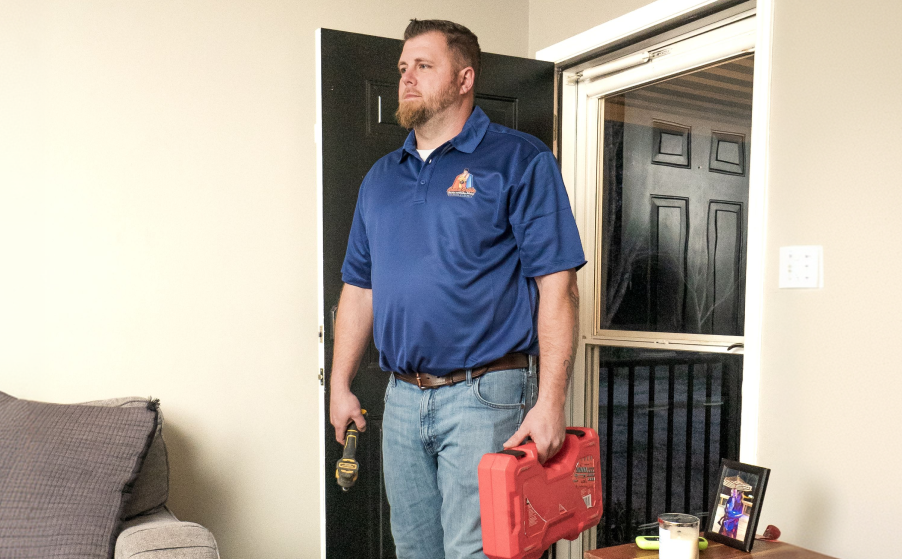
In-Home Assessment
A licensed technician arrives at your home, inspects your system, and diagnoses the problem. No guesswork, no pressure.
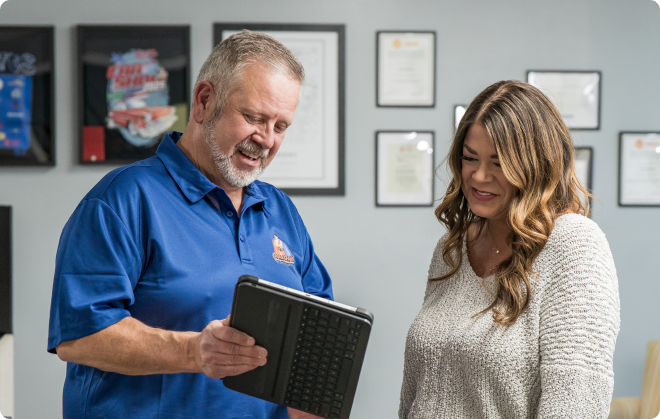
Upfront Proposal
You’ll receive a clear, written estimate before any work begins. No surprises, no hidden fees. We’ll walk you through your options.
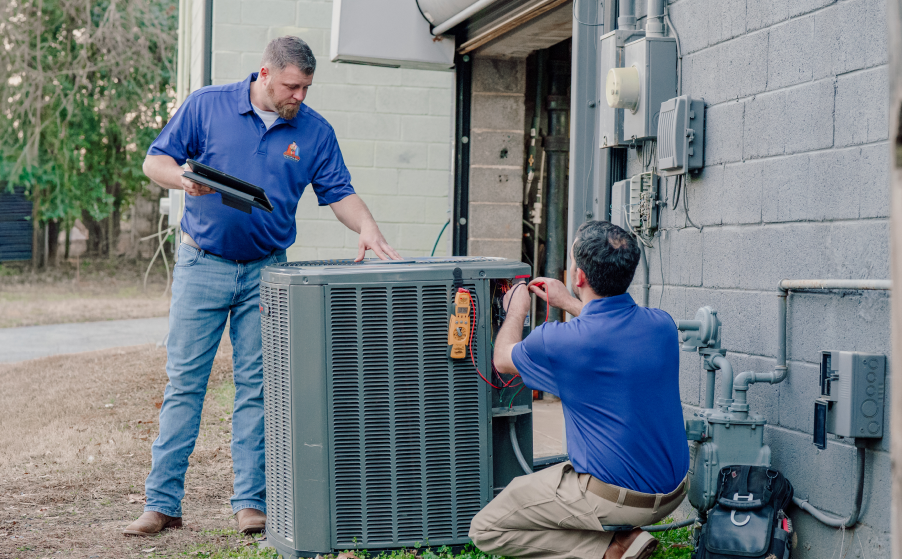
Expert Repair or Installation
Our team gets to work — completing most repairs the same day. Installations are scheduled at your convenience with full cleanup included.
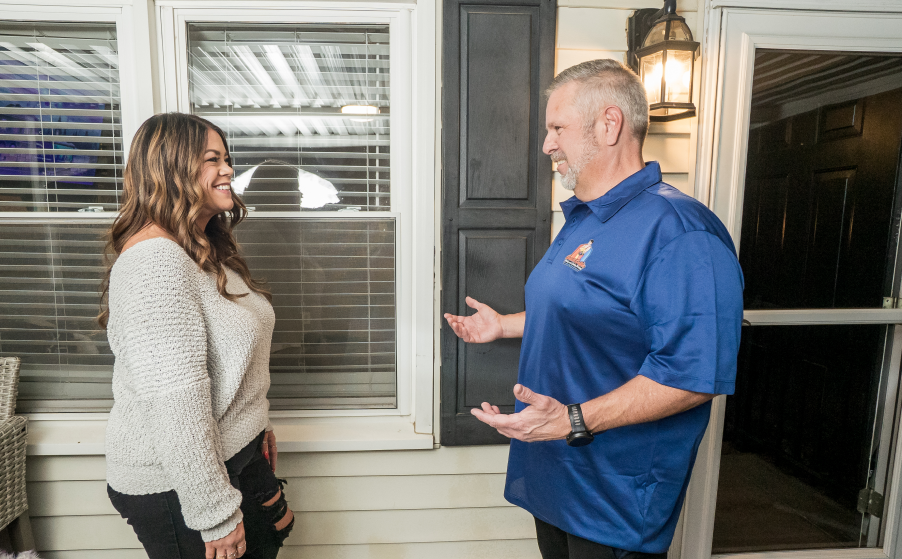
Final Walkthrough & Warranty
We walk you through everything we did, answer your questions, and hand over your warranty documentation. Your comfort is guaranteed.
 Call or Book Online
Call or Book Online  In-Home Assessment
In-Home Assessment  Upfront Proposal
Upfront Proposal  Expert Repair or Installation
Expert Repair or Installation  Final Walkthrough & Warranty
Final Walkthrough & Warranty Humidity Control Questions
Here are questions we hear often from homeowners considering humidity control:
How much does a whole house humidifier cost?
Bypass humidifiers typically run $400-$800 installed. Fan-powered units cost $500-$1,000. Steam humidifiers are the premium option at $1,200-$2,500+. We provide specific pricing after evaluating your system and needs.
How much does a whole house dehumidifier cost?
Whole house dehumidifiers typically range from $1,500-$3,000 installed, depending on capacity and features. While more expensive than portable units, they’re far more effective for whole-home humidity control.
What humidity level should I set?
The EPA recommends keeping indoor humidity between 30 and 50 percent. In winter, aim for 30-40 percent to avoid window condensation. In summer, 40-50 percent is usually comfortable. Your humidistat lets you adjust based on season and preference.
Do I need both a humidifier and dehumidifier?
In North Carolina, many homes benefit from both, a humidifier for dry winter air and a dehumidifier for humid summers. However, some homes only need one or the other depending on construction, location, and existing HVAC equipment.
Why is my house so humid even with AC running?
Air conditioners remove some humidity, but they’re primarily designed for cooling. In very humid conditions, your AC may not remove enough moisture, especially if it’s oversized and cycles on and off quickly. A dedicated dehumidifier handles excess moisture more effectively.
How often do humidifiers need maintenance?
Bypass and fan-powered humidifiers need pad replacement once or twice per heating season. Steam humidifiers need periodic cleaning and cylinder replacement. We’ll explain the maintenance schedule for whatever equipment you choose.
What areas do you serve for humidity control installation?
We serve Belmont, Mt. Holly, Gastonia, Cramerton, Stanley, Dallas, Ranlo, Lowell, Kings Mountain, Bessemer City, Cherryville, Lincolnton, and surrounding communities in Gaston County, Lincoln County, and the Charlotte area. We also serve Lake Wylie, Clover, and Tega Cay in South Carolina.
Our Service Area
We’re based in Belmont, NC, and serve homeowners throughout: